Room check

Reading Between the Listing Lines

A low price is not a warning sign by itself. The warning signs are in what a listing chooses not to show you. Ten minutes with this checklist saves a lot of nights spent listening to a nightclub through the wall.

Start Saving on Stays

The two-flag rule

Almost every cheap listing has one weak spot, and that is normal. A hotel with tired carpets but glowing recent reviews about cleanliness is a good bet. The trouble starts when flags stack up: no room photos and vague location and a review gap. Our simple rule is to look harder at two flags and walk away at three.

Read on a laptop if you can. Phones hide fee breakdowns and shrink maps, which is exactly where the interesting details live.

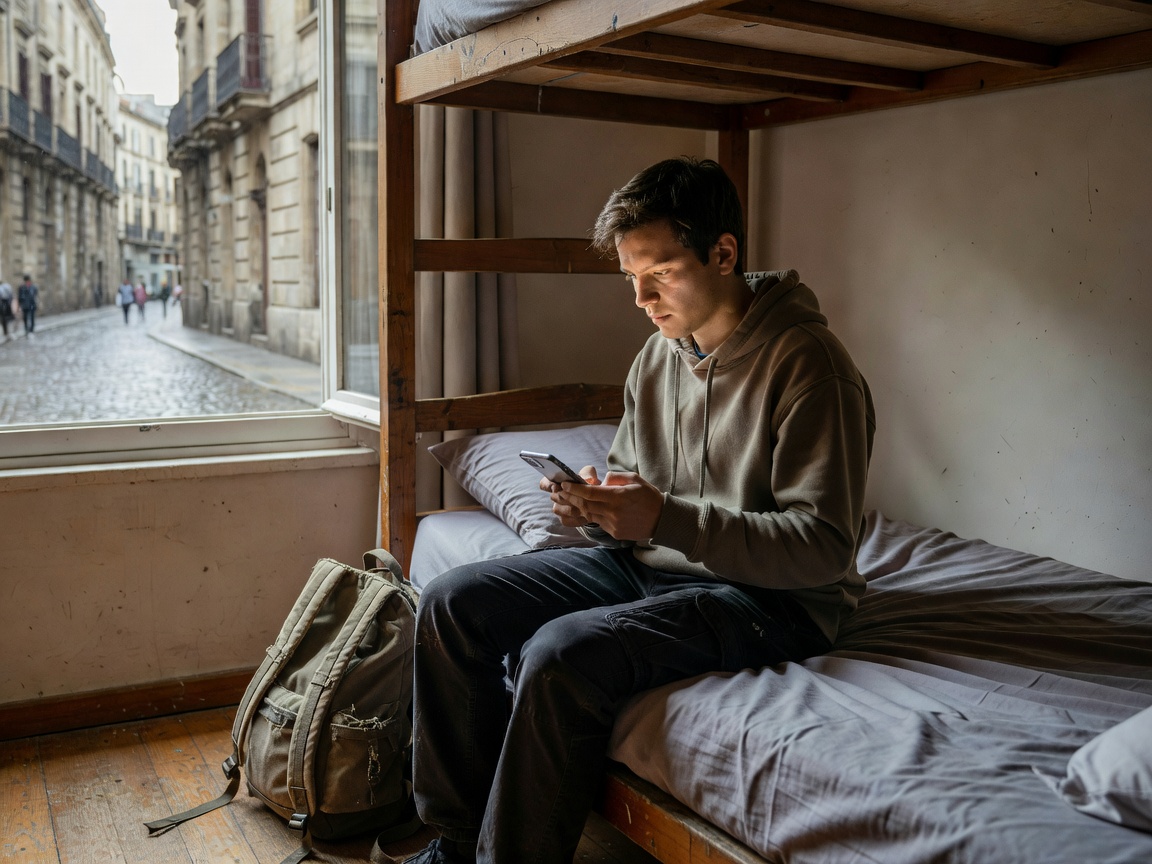
Young traveller sitting on a hostel bunk reading a hotel listing on a phone by a window

Ten red flags to check

  1. Photos of everything except the room

    Lobby, breakfast buffet, the view from the roof. If the actual bedroom and bathroom are missing or shown only in a tight close-up, assume they are small, dated or both. Look for traveller-uploaded photos on review sites.

  2. "Central" with no clear address

    Drop the exact address into a map app and measure the walk to the nearest metro or main square. "City centre" on a listing can mean anything within a long taxi ride.

  3. Fees that appear at the last step

    Cleaning charges, "service" fees, city taxes and card surcharges can turn the cheapest result into the third cheapest. Compare totals, not headline nightly rates.

  4. Reviews that stop or suddenly change

    A gap of many months, or a jump from glowing to grim, often means new owners or a renovation that did not happen. Only the last year really tells you anything.

  5. Noise mentioned more than once

    One complaint is bad luck. Three mentions of bar music, trams or thin walls is a pattern. Search reviews for "noise", "loud" and "earplugs".

  6. Shared bathroom in the small print

    Perfectly fine if you expect it, miserable if you do not. Check the room facilities list, not only the title.

  7. "Windowless" hidden as "interior room"

    Interior rooms can be quiet, but some have no window at all. Ask if it matters to you.

  8. A non-refundable rate that saves almost nothing

    If flexibility costs only a little more, pay it. Non-refundable rates only make sense when the gap is large and your plans are fixed.

  9. Reception hours that end early

    Late flight? A desk that closes at 8 p.m. with no key box or code system means a night on the doorstep. Message the property before booking.

  10. Bed size left vague

    "Double" can mean 120 cm in parts of Europe. Look for the measurement or the word "queen" or "king" if you are sharing.

Safe to skip: room service, a gym, a bath, a view, a minibar, daily towel changes. Not safe to skip: a lock that works, a quiet bed, and someone who answers at night.

Compromises worth making

Plenty of things that make a hotel expensive add nothing to a good night. A small room near a metro line is a better deal than a big room by a motorway. Housekeeping every other day saves the hotel money without costing you anything. A simple breakfast, or none at all, is fine in cities like Lisbon or Hanoi where a café breakfast costs little and tastes better.

Shared bathrooms in well-run hostels and guesthouses are often cleaner than private ones in neglected hotels because staff clean them several times a day.

Questions to message before booking

  • What time does reception close, and how do late arrivals get in?
  • Is the room on the street side or the courtyard side?
  • Are city taxes included in the total shown?
  • Is there a lift? (Important with a heavy pack.)
  • Can luggage be stored after check-out?

A fast, friendly reply is itself a good sign. Silence is a small flag of its own.

Next: when to book